Showing posts with label aero. Show all posts

Wednesday, 4 January 2017

Top 10 ways to make marginal gains

The term 'marginal gains' was made famous by Team Sky and their philosophy of leaving no stone unturned in their quest to go ever faster. From providing handlebar stems in milimeter increments to their riders so as to optimize comfort to the way they cut the bike numbers that are placed behind the seat tubes so as to make them just that much more aero, from sticking stand paper on pedals to increase the friction between the cleats and pedal surface to bringing it's own mattresses and pillows to major races so as to guarantee their riders get a good night's sleep, hardly anything is left to chance.

Regardless of what some have commented about their methods be very calculative and cold and the team being very bland in general, it's hard to deny their results. Despite having only been around for 7 or so odd years, the team have already, among other successes, amassed 4 Tour de France victories, 1 at the hands of Sir Bradley Wiggins and the other 3 by arguably the most famous Sky rider of late, Chris Froome. They were also the pioneers of certain practices that were deemed unnecessary at one point of time but have become common place among most if not all professional teams. Warming up with turbo trainers before a race and then warming down with them after and off-season training camps have now become the norm with most pro teams.

All this got me thinking, what are the various kinds of marginal gains some of us could make on our bikes? Theoretically speaking, if what separates a win from second place can often come down to fractions of a second, then wouldn't being just 1% faster be enough to grasp victory? So, here's my list of 'strategies' that will each grant you a fraction of 1%, culminating in the full 1% you'll need for victory! (Assuming you're already fractions of a second slower in second)

Cleaning your bike
One of the most invaluable things you can do to go faster. A dirty, rusty, squeaking drive train is going to eat up your precious watts as you pedal against all that extra friction which could be going to your rear wheel, not to mention the added weight of all that dirt (since we're talking about MARGINAL gains). Give your bike a good clean, degrease your drive train then put a fresh coat of lubricant on it. In fact, Team Sky have worked with MucOff in the past to create a special friction reducing chain lubricant for those extra bits of gains. Not only will all of this make the squeaking disappear and the drive train smoother, riding a clean bike will boost morale which, I'm sure, adds a couple more watts of power (MARGINAL!)

Slamming your stem
All the pros do it. The science behind it is simple, lowering your average riding posture improves your aerodynamics which in turn reduces the number of watts your have to put out to fight against all that air resistance. Not only that, if you can truly commit to the lower stem height, then cut off the excess length of fork that's left to reduce weight! These adjustments will allow you to go faster for the same amount of power. Plus, it makes your bike look pro, which again, boosts morale (so marginal!).

Removing excess cable length
As with slamming your stem, removing excess cable length on your bike will mean there's less air resistance to deal with.

Do your brake cables really need to be that long? No? Then trim em'.
That cable sticking out the back of your rear derailleur, can it be shorter? Yes? It's trimming time!

Regreasing your bottom bracket and wheel hubs
Over time, the grease coating the bearings  in your bottom bracket and wheel hubs will need to be cleaned out and replaced as even grease 'wears out'. A fresh new application of grease is sure to make your drive train a little more friction-free and your wheels buttery smooth.

If money is on your side, perhaps you can consider swapping out your standard bearings for ceramic ones, they last significantly longer than steel ones and are known to be smoother. (Almost a full 1% now)

Removing excess seat post length
Assuming you're never going to sell your bike or know how to get a replacement seat post in the event you do, trimming that excess amount of seat post that's just sitting in your frame and weighing you down will make you a tad bit lighter, there by improving your power to weight ratio and bringing you one step closer to a full 1%!

Inflate your tyres to the right pressures
When was the last time you checked your tyre pressures? Are they always at their ideal pressures? If not then you're wasting precious watts when you stomp on your pedal in a sprint only to have all that energy go into turning your underinflated sluggish wheels.

Having your pressures dialed in right will reduce your tyres rolling resistance against the road, thereby saving you precious watts. So plug in that track pump and check the pressure gauge, add a pump or 2 extra to make sure the pressures are just right, then reap the benefits of those saved watts!

Shave
That beard and leg hair are costing you precious seconds. Shaving it all off to expose that silky smooth skin underneath will reduce the turbulence around you as you cut through the air, effectively saving you some watts. No only that, it will make massages easier and all the pros do it, so you'll end up looking pro too which itself is certain (probably) to make you faster.

Plus, if you don't mind going a for radical change to your hair game, consider chopping off that man bun/afro/bush too, it only adds weight. Heck, going bald will save you cash on hairprodcuts, allowing you spend all that hard earned money on further upgrading yourself and your bike.

Polish your bike
In Formula 1, the cars are all polished to a mirror finish so as the allow the shell of the car to be as slippery as possible as it speeds down the track. So why can't that apply to cycling too? When every last bit counts and you just need that fraction of a second to win, a smoother frame over a 100km stage will leave you a slight bit fresher as you approach the finish line over your opponent, allowing you to go on the attack a little longer or harder to claim that victory!

Do yoga
When we suffer on our saddles, we tend to do so in a relatively extreme position that's held for a prolonged amount of time. Even riding on the tops all day will get your back aching and shoulders weak eventually. As a result, our power output may diminish as time goes by due to the physical discomfort were experiencing or at the very least, hamper optimal pedaling and power output.
This is where yoga comes in. Increasing our body's level of flexibility gives rise to hamstrings that are a little more compliant when on the bike, even if we're riding on the drops. Professional time trial riders spend hours doing yoga to further hone their bodies into aero weapons. This results in a higher threshold for discomfort and an overall increase in power output, resulting in those extra gains
.
Cash!
Like Bruce Wayne and Tony Stark, if you've got a shit-ton of cash to blow, then money is your super power! Splurge on all the aero and carbon goodness the bike industry just wants to jam down our throats until the next big trend/gimmick comes. A full-on carbon aero monster coupled with a pair of deep dish aero wheels with an aero helmet and a skin suit are all sure to add multiple percents to your gains. A devastating combination that's sure to clinch that race winning sprint.


And that's about it! I had a fun time writing this, smirking away as I came up with the ideas and points. Professional riders must have it tougher than we think if they have to do even half the things on this list, all for the sake of that extra second or two.

That's about it. As always, leave any and all comments or questions in the comment section down below and I'll be happy to reply you as best I can. Thank you for reading!

Monday, 19 December 2016

Current Equipment Setup - Helmet

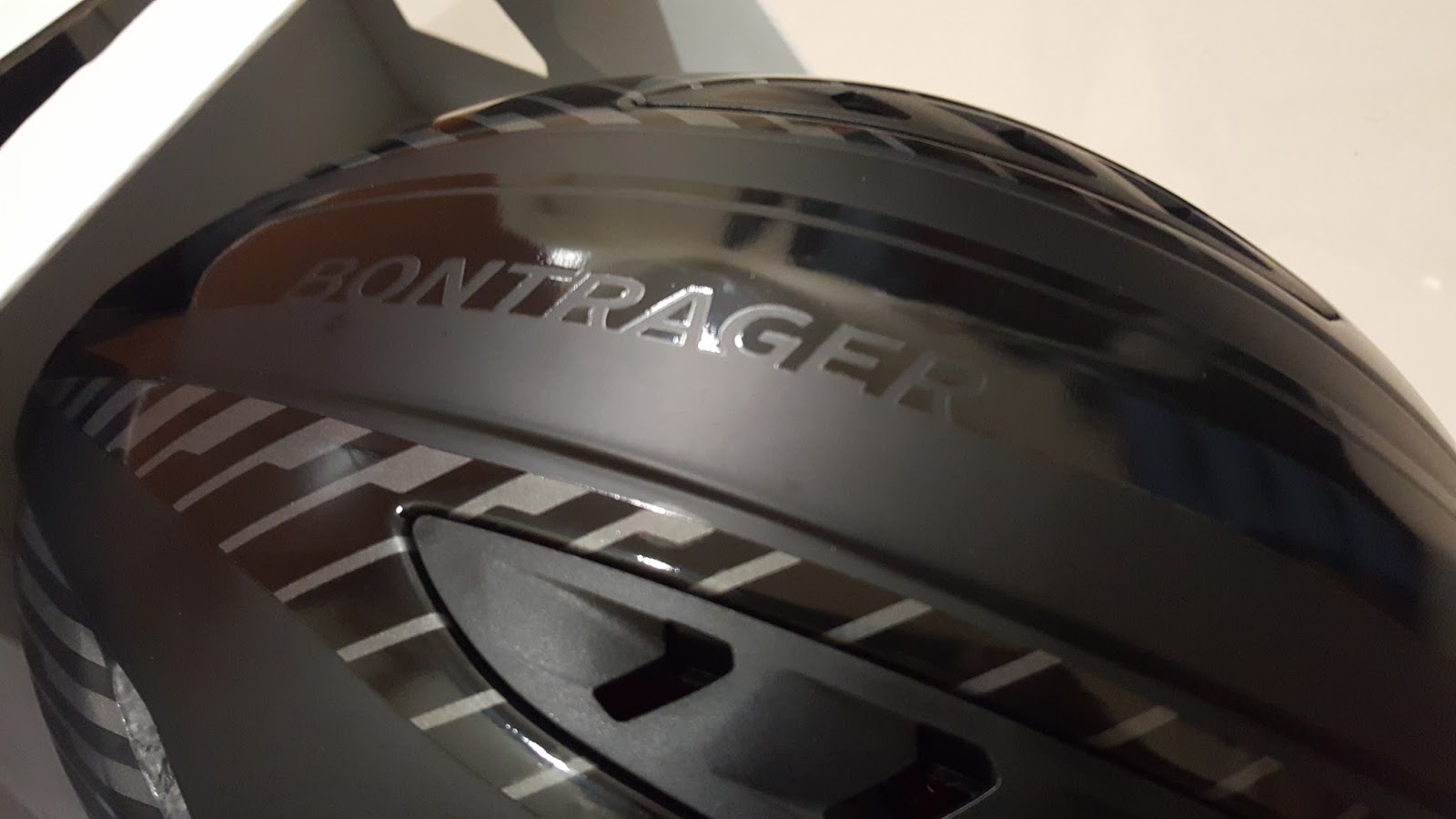
In one of my older posts regarding bicycle helmets and their pricing, I touched briefly on my old cycling helmet, my Bell Ukon II and mentioned that it was well past time that I looked for a new helmet. well, the wait is over, here it is, the Bontrager Ballista aero helmet. 


Right off the bat, let me just say that while I do partake in some cycling events and I do have a competitive side to my character, I put very little weight on the number of seconds I save over X number of kilometers or at X kilometers per hour when I bought this helmet. Despite it being more aero and technically 'faster' than a conventional helmet, I feel that for a general consumer, other factors play more crucial roles in determining a helmet's worth, even if it's an aero helmet. Any number of seconds saved are just added bonuses.

Some quick specs, this helmet weighs 262g, lighter than my 314g Bell and is a size Medium. it came with a beautiful matte black finish with some gloss accents at the sides. 


It uses Bontrager's 'Headmaster 2' system which allows for circumferential adjustments via a quick-wheel at the rear as well as a small amount of height adjustment for the rear adjuster portion of the helmet, similar to but not as adjustable as certain Kask helmets.


Adjusted UP

Adjusted DOWN

Along with the removable inner padding, all these factors put together make it a tad bit more comfortable than my older helmet.


This helmet was originally priced at RM679 which is a competitive price for an aero helmet once you take into account the more well known ones like the Giro Synthe, Kask Protone or the Specialized Evade, but with the end of a year comes clearance sales. As a result, I was fortunate enough to pick this up for 30% off at RM472 from Treknology 3 in Kota Damansara during their clearance sale, which is fantastic value for money for most helmets in general. 


The helmet comes in the white box shown below as well as a draw string helmet bag in which to keep your expensive helmet so it doesn't get all scratched up and an extra set of foam padding which I'll get to in a bit.


Ideally, I would've gone with a more eye catching colour like white so as to be more visible on the road, but the only 2 colours left were this and a fluoro green model that was just a little too extreme for me. So I opted for the more subtle black instead, matches my bike's paint scheme a little better too.


Aesthetically speaking, it's an aggressive looking helmet without being gimmicky. Say what you want about looks, but I'm willing to bet most of us, either consciously or subconsciously place a larger emphasis on the looks of our gear than we'd like to admit, which is why I have to address the appearance of the helmet. It balances itself well between conventional-looks and aerodynamic-aggression. The 3 large front vents add a practical appeal to the helmet while the clean sides remind you that it's meant to go fast. Add the matter black paint scheme and you've got yourself a helmet Batman would use.


Other than that, what made this helmet very appealing to me were the tons of glowing reviews online regarding this helmet. So far, they've definitely proven right. The 3 vents at the front are more than sufficient at keeping my head cool as ventilation is definitely on par with my older, more ventilated helmet. 

On the inside, these 3 front vents channel air through internal grooves in the helmet and out the back. Whether or not this was how the helmet was designed to work or if it's purely aesthetics, it certainly does the job at keeping your head cool. One gripe I have about ventilation is that when the front vents aren't directed forwards, such as when you flex your neck to look down or side to side, the ventilation or air flow is noticeably decreased. This isn't a deal breaker for me but for someone who wants a middle ground between aero and ventilation or thinks that the vents on this helmet facilitate air flow as well as a more ventilated helmet, he or she would be better off looking for something else.


The straps on the helmet are thin and relatively light, making them quite comfortable but I don't know of too many helmets with heavy straps. A gripe I have with them, despite countless attempts at adjusting the helmet, is there not being enough room between the straps and my ears. Now, they aren't uncomfortable or over lie my ears, it's just that I've gotten so used to the amount of clearance between the straps on my old helmet and my ears that I would prefer to have the same sensation of comfort with this new helmet, especially considering the fact it's almost 3 times the price. Although, to be fair, my ears are a little more everted than that of a normal human being, so this isn't so much an issue as it is a nit pick. 


In short, there's very little not to like about this helmet. It looks cool, it's well ventilated, comfortable, light weight and for the price I paid, has terrific value for money. I'd definitely recommend this helmet to anyone looking at picking up a new helmet or want a more aero lid over their heads. The latest Ballista with the new MIPS system hasn't reached our shores just yet and I'm not too sure how much it'll be going for here seeing as how our poor Ringgit isn't doing so well and with the possibility of newer aero helmets coming out next, I can't confidently tell you to wait for that model, but if it's anything similar to it's predecessor in terms of price and performance, you probably won't go too wrong with your purchase.

Monday, 28 November 2016

Bicycle helmets and why they cost so much

Despite the wide price ranges for the various kinds of bicycle helmets out there, a take home message I have for you is that the prices generally have little to do with their level of safety. Most if not all cycling helmets sold by reputable bike stores have to comply with a minimum set of international safety standards, regardless if its an RM100 helmet or an RM1000 helmet, which makes one helmet just about as safe as any other helmet out there.

Before we get started, lets go over what a basic entry level helmet will get you. From there, I'll talk about the factors that make up higher-end helmets which play significant parts in determining their price. As a reference helmet, I'll be using my 13 year old Bell helmet. This faithful shell has seen it's fair share of thrills and spills. The countless number of falls and tumbles I've had with this helmet, both on and off the road, make it an object of significant sentimental value to me. I've used it for both mountain biking and road cycling. With it's set of specifications, I feel that it is very representative of a general entry level bike helmet.

This specific model is the Ukon 2 and cost about RM 90-RM120 all those years ago (can't quite remember). After a quick look on Amazon, I managed to find a few for about $27 - $40, which is about RM120 to RM160 according to current exchange rates, definitely still within the price range of a beginner's helmet. It weighs 314 grams and is a size 54-61cm. It also comes with a removeable visor that easily snaps into place to protect your eyes from the sun, rain and anything else that might be flying through the air. A total of 17 vents all around the helmet have done their best at keeping my head cool over the years.


At the rear of the helmet, you'll find the head-fit adjustment mechanism which, at that point in time, made this helmet an extremely appealing piece of gear as most entry level helmets of around 15 years ago never had such a system. All you could do was pray which ever helmet you bought fit your head just right or risk it tilting and yawing here and there as you rode,


This helmet has certainly seen better days. Most manufacturers would recommend that you replace your helmet once every 5 years regardless of whether you've had a fall in it or not, some even recommend as frequently as every 3 years. However, one consensus that comes up frequently from both manufacturers and on online bike-related forums is that you are strongly encouraged to replace your helmet after a fall, regardless of the absence or presence of any visible cracks in the shell or foam. This means that my helmet is long overdue for a replacement! (stay tuned!)

Never noticed the faded-paint marks before.
Cracked retention system
The foam pads are all but gone
More than a decade worth of bumps and scratches

Now that we've established what an entry level helmet is, what exactly are you getting for that extra bit more that you're paying? Well for starters, most helmet manufacturers, in their pursuit to churn out higher quality helmets year after year, have to do significant amounts of research involving wind-tunnels, impact-testing and testing their products out on the professional World Tour teams that they sponsor, all in hopes of producing the best iteration of a helmet possible until the next one comes out. Here's a brief list of factors that contribute to certain helmets being a tad bit pricier than others.

Lighter weight
A basic entry level helmet for an adult will usually come in at around 300 grams. As you move up the price range towards the thousand Ringgit mark, with the exception of certain aero and time-trial specific helmets, most conventional road helmets will be much closer to 200 grams rather than 300. That's a weight saving of about 100 grams for an additional RM700 - RM 800. This may not seem like a significant amount but it'll certainly make the helmet a little less cumbersome when you have it on. Is it a worthy investment? Well, that's entirely up to you to decide.

The Specialized S-Works Prevail, only 195 grams. The latest Prevail 2 is 185 grams.


More aerodynamic
Aerodynamic-gains aren't just solely had with your bike. Technically speaking, it is widely agreed upon that upgrading from an entry level helmet to a more aero one is a much bigger aero upgrade than compared to anything you could do with your bike. Not only that, a brand new aero helmet will be significantly cheaper than a brand new set of aero wheels too. This is probably why you see most amateur riders invest in an aero helmet first before moving on to aero wheels and so on.

Aero-looking Specialized Evades

A row of Met Mantas


Better ventilated
Apart from an aero edge, something that is very relevant here in our hot and temperate climate is ventilation. Higher end helmets have a greater number of vents on them while still maintaining a high level of structural integrity that fulfills industry standards. Even the more aero-oriented helmets have vents that function a little more efficiently than lower end helmets so as to compensate for having fewer than normal vents and not cook you up on those sunny weekend rides.

The Bontrager Ballista

Despite being an aero helmet, it's vents provide substantial cooling

The Met Rivale - a more ventilated version of the Manta

The Kask Protone, a very well-ventilated aero helmet
The Catlike Mixino, a very ventilated helmet

Aesthetics
Despite what many people say, I personally feel looks play and important part when it comes to making decisions regarding the gear and equipment we choose to buy. From the bikes we ride to the shoes on our feet, nothing gets used without first passing our rigorous set of beauty standards. The same goes for helmets.

A matte-finish paint scheme, heat-reactive paint or a limited edition helmet in pro team colors. All of these extras add no performance benefits to the helmet but make them look much more appealing to certain potential buyers who are willing to fork out a little extra for that little extra.

Specialized Evade with heat-reactive "Torch" paint

Team Astana and Tinkoff-Saxo Evades


Comfort and fit
Higher end helmets have added padding and adjustment features that allow the wearer to fine tune the helmet so that it fits snugly and comfortably on our craniums with out excessive wiggle or play when we ride. To a certain extent, this adds an extra level of safety as the helmet is less likely to shift and obscure your vision when riding as well as retain itself properly on your head in the event of a crash. Although, to be fair, most entry level helmets will be able to achieve this so as long as it's properly fitted and worn.

While we're on the subject of padding, higher end helmets come with various forms of silver-lined antibacterial padding that claim to prevent bacterial growth within them due to sweat. I'm somewhat skeptical about this but silver compounds are actively used to treat certain kinds of skin infections. 

Specialzed 'Mindset' system

The adjustment system on the Kask Protone adjusts to your occiput (that part of your skull at the back that sticks out)


Additional features
Certain helmets have additional features or add-ons that further enhances it's innate abilities. A magnetic visor on a time-trial helmet, glow-in-the-dark paint, the aero lid on a Kask Infinity, MIPS retention system, etc. These features have been shown to enhance the performance and safety features of a helmet whilst maintaining function over form.

Closed aero-lid (Image taken from bikeradar.com)

Open aero-lid (Image taken from bikeradar.com)

The Kask Bambino and it's visor


And there you have it. I hope this short post has shed some light on the bicycle helmet market and their pricing. At the end of the day, some of these features may seem meaningless or insignificant to us but, as with any market, certain things cost a certain price mainly because that's the price people are willing to pay for them.

Regardless of how much your helmet costs, always remember that it's a small investment for something that could potentially save your life. The Bicycle Helmet Safety Institute in America (yes, that's a thing) claims that an average cyclist is bound to crash once in every 4500 miles which roughly equate to about 7200 km. So wear you helmet!

TL;DR :

  • Lighter weight
  • More aerodynamic
  • Improved ventilation
  • They look cooler (very subjective)
  • Increased comfort and fit
  • Bonus features
  • WEAR YOUR HELMET!
Thanks for reading. As always, feel free to leave any and all comments in the comment section down below and I will try my best to reply. Until next time!